



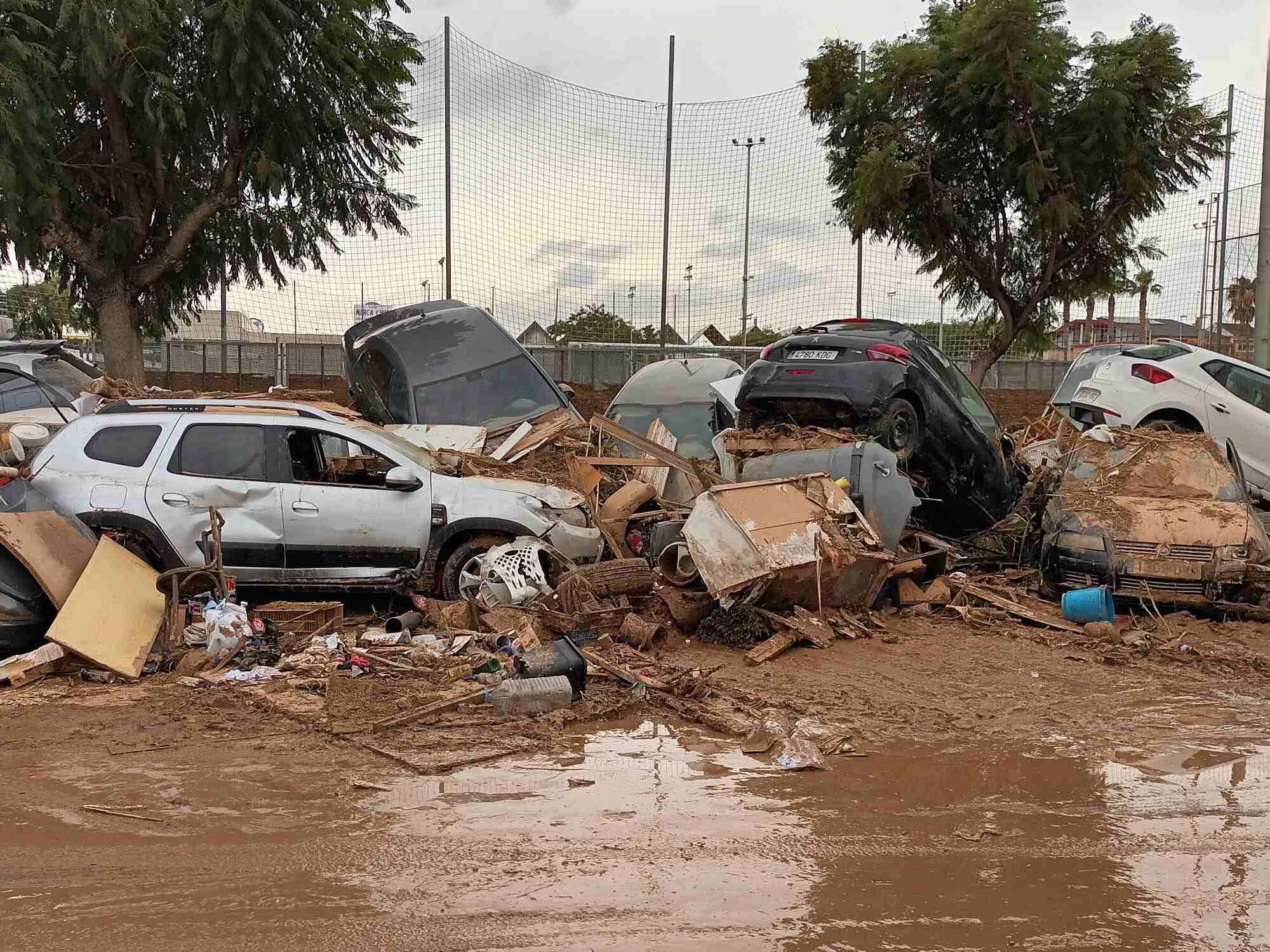
The flooding caused by the DANA represents not only a logistical and structural challenge, but also a serious risk to public health.
As the waters recede, unseen hazards emerge: pathogenic microorganisms, contaminating debris and disease vectors. Protecting health in these circumstances not only saves lives, but also contributes to a faster and safer recovery of affected communities.
Floods contaminate drinking water sources, affect food, and create conditions conducive to disease.
Key prevention strategies:
1. Maintain personal and environmental hygiene:
- Wash hands frequently with clean water and soap.
- Wear impervious gloves and boots during clean-up.
- Discard food that has been in contact with contaminated water.
2. Protect wounds and injuries:
- Clean and disinfect cuts immediately.
- Cover wounds with waterproof dressings to prevent infection.
3. Avoid contact with contaminated water:
- Wear protective clothing and limit exposure time to flood water.
4. Control of transmitters:
- Eliminate standing water to prevent mosquito breeding.
- Use repellents and mosquito nets.
Health as a pillar of recovery
Illness in the aftermath of a DANA can delay a community’s recovery and further complicate the situation. Taking preventive measures helps protect people’s health and avoid major problems. Every small effort, such as maintaining hygiene or removing standing water, contributes to a faster and safer recovery for everyone.